ACM Mile-High video 2022 (MHV)
March 01-03, 2022 | Denver, CO, USA
Conference Website
After running as an independent event for several years, 2022 was the first year where Mile-High Video Conference (MHV) was organized by the ACM Special Interest Group on Multimedia (SIGMM). ACM MHV is a unique forum for participants from both industry and academia to present, share, and discuss innovations and best practices from multimedia content production to consumption.
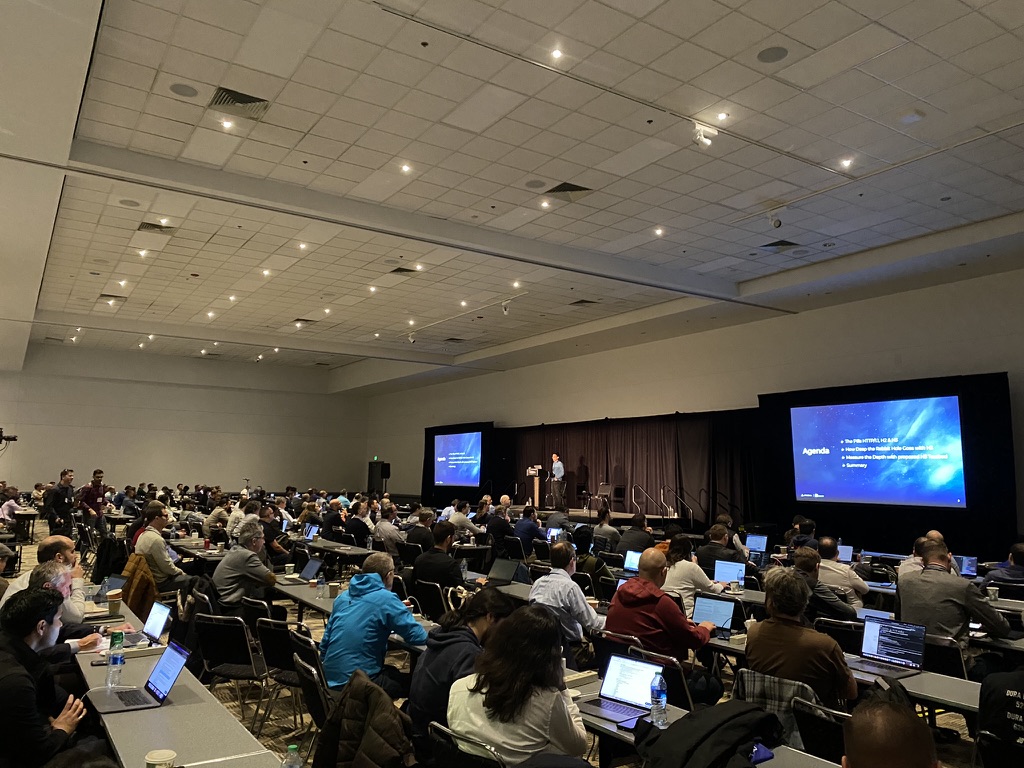
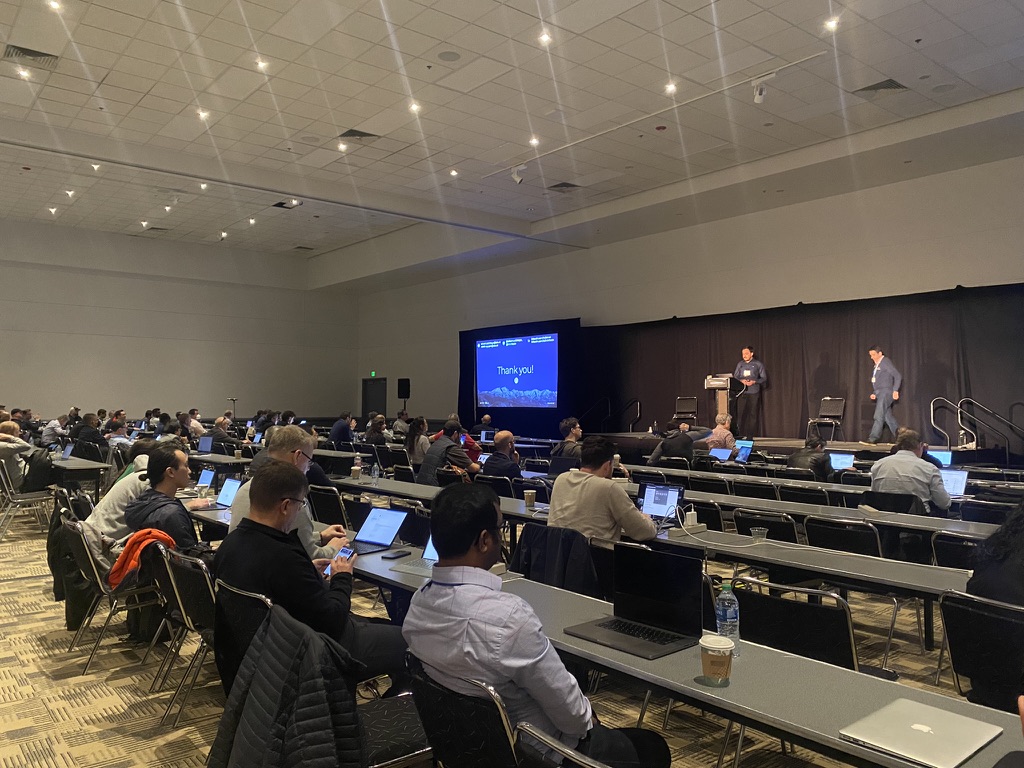
This year, MHV hosted around 270 on-site participants and more than 2000 online participants from academia and industry. Five ATHENA members travelled to Denver, USA, to present two full papers and four short papers in MHV 2022.


Here is a list of full papers presented in MHV:
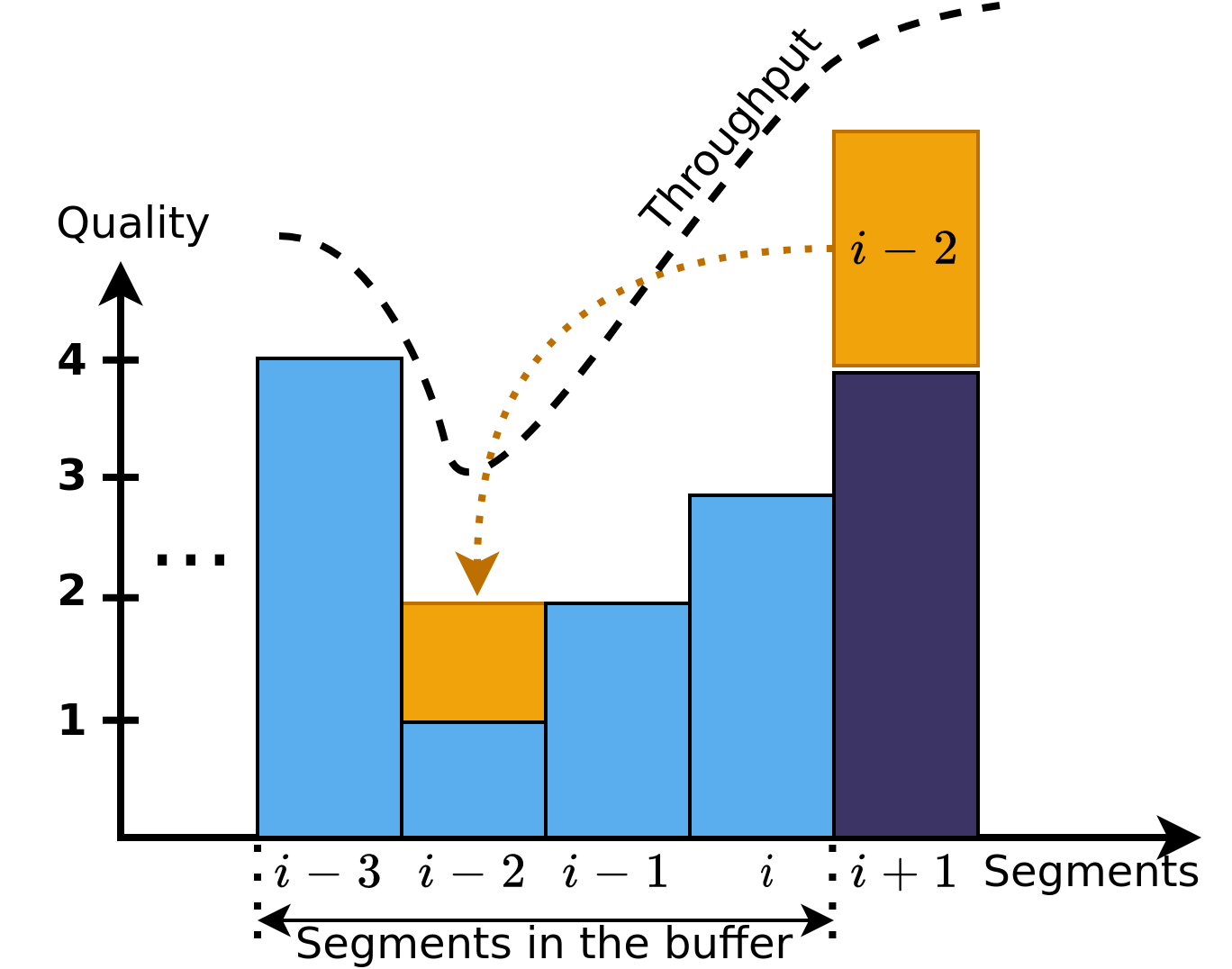
Super-resolution Based Bitrate Adaptation for HTTP Adaptive Streaming for Mobile Devices: The advancement of mobile hardware in recent years made it possible to apply deep neural network (DNN) based approaches on mobile devices. This paper introduces a lightweight super-resolution (SR) network deployed at mobile devices and a novel adaptive bitrate (ABR) algorithm that leverages SR networks at the client to improve the video quality. More …
Take the Red Pill for H3 and See How Deep the Rabbit Hole Goes: With the introduction of HTTP/3 (H3) and QUIC at its core, there is an expectation of significant improvements in Web-based secure object delivery. An important question is what H3 will bring to the table for such services. To answer this question, we present the new features of H3 and QUIC, and compare them to those of H/1.1/2 and TCP. More …
Here is a list of short papers presented in MHV:
-
RICHTER: hybrid P2P-CDN architecture for low latency live video streaming: RICHTER leverages existing works that have combined the characteristics of Peer-to-Peer (P2P) networks and CDN-based systems and introduced a hybrid CDN-P2P live streaming architecture. [PDF]
-
CAdViSE or how to find the sweet spots of ABR systems: CAdViSE provides a Cloud-based Adaptive Video Streaming Evaluation framework for the automated testing of adaptive media players. [PDF]
-
Video streaming using light-weight transcoding and in-network intelligence: LwTE reduces HTTP Adaptive Streaming (HAS) streaming costs by enabling lightweight transcoding at the edge. [PDF]
-
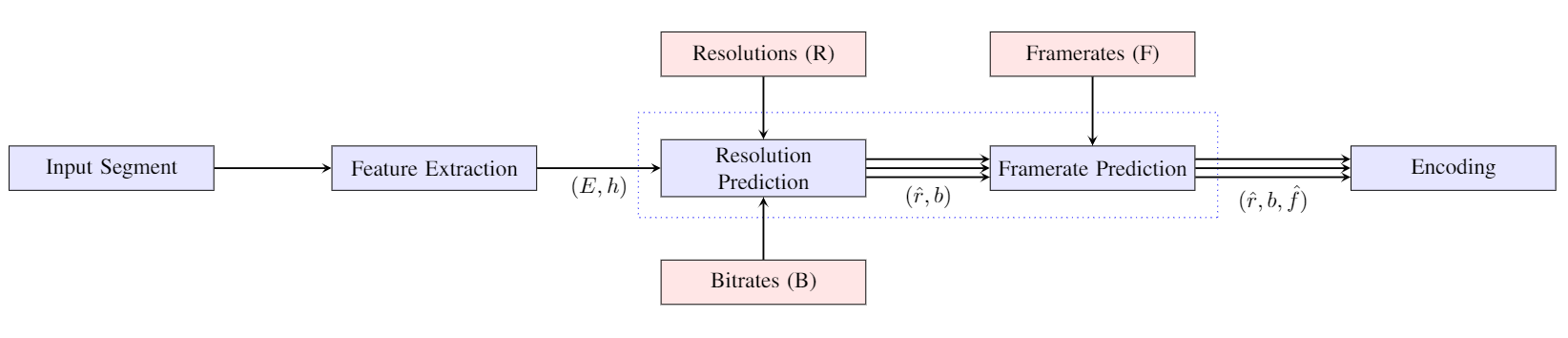
Efficient bitrate ladder construction for live video streaming: This paper introduces an online bitrate ladder construction scheme for live video streaming applications using Discrete Cosine Transform (DCT)-energy-based low-complexity spatial and temporal features. [PDF]
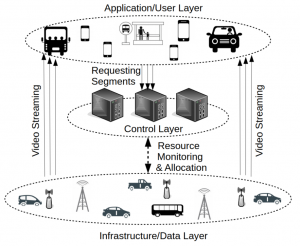 We design QoCoVi in two SDN-based operational modes: (i) centralized and (ii) distributed. In centralized mode, we can obtain a suitable solution by introducing a mixed-integer linear programming (MILP) optimization model that can be executed on the SDN controller. However, to cope with the computational overhead of the centralized approach in real IoV scenarios, we propose a fully distributed version of QoCoVi based on the proximal Jacobi alternating direction method of multipliers (ProxJ-ADMM) technique. The effectiveness of the proposed approach is confirmed through emulation with Mininet-WiFi in different scenarios.

 The Emmy® Awards do not only honour the work of actors and directors but also recognize technologies that are steadily improving the viewing experience for consumers.